The report

The Active Economy is a model for developing diversified portfolios of community project clusters that stimulate a regional economy. It is a way of developing a region that begins from what a community already has rather than from what an outside investor might someday bring. It treats local people, places, institutions, and relationships as the raw material of development rather than the backdrop against which development happens. Projects are conceived and directed by people connected to the communities they serve, and they are structured so that the wealth they generate — in jobs, in property, in local ownership, and more — stays where it was created.

The name “Active Economy” is a deliberate counterweight to a longstanding regional habit. Many residents and institutions in Southwestern Pennsylvania have spent decades waiting — for a plant, an anchor employer, a megaproject, or some other outside force to restore what was lost during the collapse of the steel industry. That fundamentally passive posture unnecessarily puts a community’s future in the hands of decisions made somewhere else by those who do not call Southwestern Pennsylvania their home.

The phrase “Active Economy” directly and intentionally calls the region into a more engaged future, one that resists the tendency to wait for change from without, and that instead proactively initiates change from within. An Active Economy is one where the many kinds of capital that already exist in a community are deployed, developed, and resourced to generate a more vibrant and prosperous future that is both by and for those who initiated such forward movement. In this way, the phrase “Active Economy” deliberately names the thing we are asking the region to stop doing as much as it calls for the thing we are asking it to do even more of.

The Active Economy Report presents the findings of an independent analysis conducted by the University Center for Social and Urban Research (UCSUR) at the University of Pittsburgh, led by economist Chris Briem. Over the course of six months, UCSUR examined a portfolio of 21 community-led projects across Beaver and Allegheny Counties, measuring what they produce using two established frameworks: traditional economic impact analysis and Social Return on Investment analysis.

According to UCSUR’s research, over a 20-year horizon, the Active Economy Portfolio is projected to produce $844.5 million in Gross Regional Product, 6,640 Job-Years of employment, and $122.7 million in social value. Further analysis by RiverWise and New Sun Rising shows that the Active Economy creates jobs at a total cost of roughly $162,000 each — about a third of the $456,000 in public subsidy that the average corporate megadeal costs taxpayers per job. And, the portfolio returns $9.08 in Gross Regional Product for every dollar invested.

The report was published by RiverWise and New Sun Rising in August 2026.

The Active Economy Report was written for individuals and organizations who set economic development priorities and direct resources toward them: elected officials and their staffs, planning agencies and government entities, philanthropies and grantmakers, and investors and lenders.

The report was also written for the many leaders and organizations who do the type of work described within its pages. Community project leaders rarely lack conviction about the value they create; what they lack is a shared language for describing it and a credible method for measuring it. The Active Economy Report offers both — a communication framework and an impact modeling approach that nonprofit and municipal leaders, small business owners, cooperative founders, main street and business district managers, neighborhood associations, and the intermediaries who support them can apply to their own work and carry into the rooms where funding decisions get made.

Although not written with a broader audience at the center, we are hopeful that the report contains insights and data that may also be of value to those outside the region who are interested in community and economic development, particularly those working alongside communities that have long suffered from extractive practices, disinvestment, and economic stagnation.

What was studied

The community projects included in the Active Economy Report have been supported by RiverWise and New Sun Rising in a range of ways and over many years. Such support has come in the form of direct technical assistance, capacity building, fiscal sponsorship, marketing, grant preparedness, direct investment support, and more. Each of the projects has its own unique history and relationship with the organizations that commissioned the report. The nature of support provided has been similarly unique, adaptive, and developmentally appropriate.

In 2024, most of the projects in the Active Economy Portfolio came together to develop a $20 million Community Change Grant proposal for the Environmental Protection Agency. New Sun Rising and RiverWise were the lead applicants for that proposal. Throughout the process of generating that proposal, and after the EPA ultimately terminated the program, we recognized the need to understand and better communicate the economic impact of this portfolio of activity — both individually and in the aggregate. Due to our longstanding relationships and work together, this portfolio of 21 projects naturally lent itself to the kind of research project at the center of the Active Economy Report.

The Active Economy Portfolio contains projects in Beaver and Allegheny Counties, in Southwestern Pennsylvania. The 21 projects serve 38 census tracts covering 25.17 square miles. The impacted tracts are home to 105,275 residents.

The 38 census tracts included in the Active Economy Portfolio are not a representative sample of the characteristics most common in communities across Beaver and Allegheny Counties. To the contrary, the portfolio includes — both deliberately and on principle — many of the region's most disinvested communities, as outlined in the report itself. What the Active Economy Report presents, therefore, is not development occurring where conditions were already favorable. The portfolio instead demonstrates what is possible in precisely those places our region has long viewed as unlikely candidates for robust economic growth or contributed social benefit.

The kind of unusual success demonstrated in some of Southwestern Pennsylvania’s most distressed communities suggests that the returns described in the Active Economy Report may represent a floor rather than a ceiling. For communities with deeper existing institutional infrastructure and more capital already in place, there are plenty of reasons to believe that the compounding benefits documented throughout this report would accrue to them on even more favorable terms.

The analysis provided in the Active Economy Report covers a 20-year window, from 2016 through 2036, combining what the portfolio has already produced with what it is projected to produce. Individual projects were analyzed only for the years in which they have actually operated or are expected to operate, rather than across the full two decades.

Various presentations of data throughout the report distinguish between past, current, and future activity so that readers can weigh documented results separately from projections.

The clusters identified in the Active Economy Report include Real Estate Development, Small Business & Workforce, Energy, Food & Nature-Based Infrastructure, Creative Industries, and Active Mobility. RiverWise and New Sun Rising identified the clusters based upon our understanding of how community capitals reinforce one another between different projects in the portfolio. Although the clusters are not at all arbitrary, one could conceivably have devised a different set to describe their activity. Additionally, in another region — or for another group of community projects — it is highly likely that a different set of cluster descriptions would provide a more appropriate description of how a particular collection of initiatives is working together. Stated differently, the particular clusters identified in the Active Economy Report represent only a handful of the ways that mutually reinforcing community development can be organized and described. There are many other sectors that undoubtedly contribute to vibrant regional economies, and communities elsewhere may choose to focus on clusters that are better suited to their own context and strengths.

What matters most is not these six categories but the underlying principle at the heart of the entire Active Economy: that projects gain value from proximity and connection to one another, and that measuring them in isolation misses much of what they collectively produce.

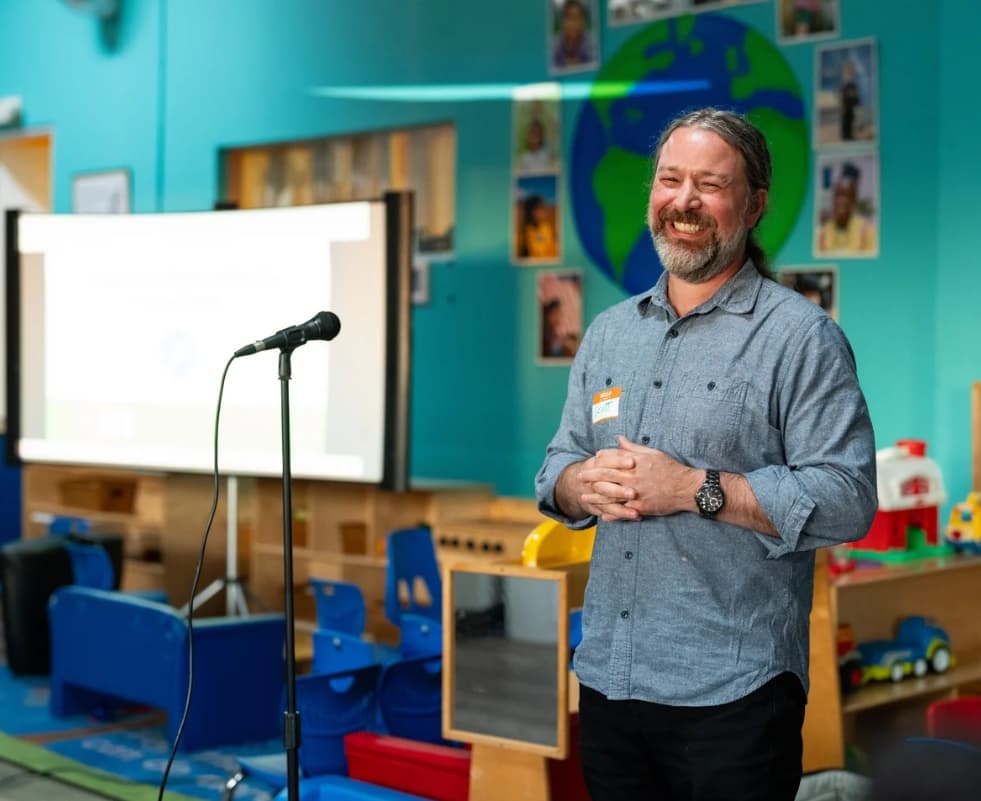
RiverWise is a Beaver County–based nonprofit that organizes community voice and power so residents can exercise greater agency over the places they call home. It does this through storytelling that challenges the idea that Beaver County’s best days are behind it, through project identification and management, and through building the partnerships and securing the resources that enable residents to realize their own vision for the region.

New Sun Rising is a Pittsburgh-based community development nonprofit that envisions a future where all communities are vibrant places of culture, sustainability, and opportunity. The organization works as an intermediary between grassroots innovation and institutional investors, providing fiscal sponsorship, technical assistance, and capacity building to communities across Greater Pittsburgh.

RiverWise and New Sun Rising are independent entities, with separate boards, staff, and funding. They have worked alongside one another for years and together hold roughly thirty years of combined history in this work. Across the portfolio examined in this report, each has played different roles at different moments — sometimes leading a project, sometimes resourcing it, sometimes encouraging it, and sometimes reinforcing work that others began. Neither organization claims sole authorship of the Active Economy Report or of any project within the portfolio. To do so would be at odds with the spirit of the work and manner in which it has been described throughout the report.

How the active economy was measured

Project-level inputs were collected directly from the lead organizations in the Active Economy Portfolio. This data includes things like financial records, headcount and payroll, square footage, program and beneficiary figures, energy savings estimates, construction project budgets, and so on. Using those inputs, researchers at UCSUR applied two parallel analyses: a regional economic analysis using the REMI Transight model and a Social Return on Investment (SROI) assessment. Each economic impact figure in the report is traceable to the insight provided by one or both of these two frameworks.

For more information on how the analysis was conceived, informed, and conducted, please see UCSUR’s full methodology report, entitled Impact Analysis for RiverWise and New Sun Rising — Methodology and Individual Project Reports.

Yes. UCSUR’s full methodology report, Impact Analysis for RiverWise and New Sun Rising — Methodology and Individual Project Reports, is available on the Active Economy website, linked from within the Active Economy Report itself, and published directly by UCSUR on their own organizational website.

UCSUR’s full methodology report contains extensive detail on the inputs collected from each project, how those inputs were used, the monetization proxies applied, and the reasoning behind the judgments the analysis required. UCSUR’s full methodology report also contains the base figures underlying the cluster totals found in the Active Economy Report.

We strongly believe in transparency, and are committed to ensuring that the data presented throughout the Active Economy Report are easily available to others. Anyone interested in better understanding how a given figure was derived should have access to all the information required to do so.

Throughout the research and writing process, the authors of the Active Economy Report have tried to model what a credible and transparent process ought to look like when anyone — community organization or corporation — seeks support for significant public subsidies. The full methodology employed by UCSUR has been made public. The assumptions behind every monetization proxy are stated and sourced. The distinction between what UCSUR measured and what the authors of the Active Economy Report concluded is marked throughout. As a result, anyone who wishes to check our arithmetic, question our proxies, or reach different conclusions from the same evidence has everything required to do so.

Economic impact projections accompanying a proposed corporate facility, on the other hand, are ordinarily commissioned by the party seeking public money, conducted using proprietary models, and released as summary figures rather than as carefully auditable methodology. Rarely, if ever, are they reviewed by a wide range of community stakeholders before their conclusions are made public. The review processes at the heart of the Active Economy Report were neither burdensome nor exotic. They made the final product a more accurate and reliable account of the value produced by the projects studied. Something akin to this easily replicable process should be commonplace for any party seeking substantial public subsidy.

Most of the projects in the Active Economy Portfolio belong to more than one cluster, and the overlap is one of the most important features of the Active Economy. To understand this overlap, consider what a single building actually provides when it is part of an integrated and resilient local economy. A commercial real estate site in Millvale or Ambridge may simultaneously house a small business, train a workforce, expand food access, and generate its own power. When this kind of layered impact occurs, a single asset contributes to the assessed impact of the real estate cluster, the small business cluster, the food cluster, and the energy cluster — because it is genuinely producing value in all four sectors.

The kind of economic reciprocity described above is what we refer to in the report as a Virtuous Cycle, where value compounds as project activities reinforce one another, and where the same underlying asset creates returns along several dimensions at once. As presented in the Active Economy Report, the cluster figures are showing the portfolio from multiple intersecting vantage points rather than partitioning it into exclusive categories. When understood in this way, the fact that the percentages sum past 100% can be recognized as a feature of the model rather than a problem with the math.

It is only when demonstrating the economic impact of clustered activity that we represent the data in this way. None of the other impact figures contained within the report rely on counting the benefit of any project more than one time. Readers who wish to see the base figures, counted once, can easily access them in UCSUR's full methodology report, Impact Analysis for RiverWise and New Sun Rising — Methodology and Individual Project Reports.

Who created the report, and why

When a corporation proposes a facility in Southwestern Pennsylvania, it routinely arrives accompanied by economic impact modeling, projected job counts, and multiplier effects — the familiar apparatus by which public bodies determine whether something is worth supporting. When a community organization proposes a food hub, a workforce training program, or a solar installation, it often arrives with stories, testimonials, photographs, and conceptual plans. Both are seeking to represent the value their project is expected to produce. But only one of them is speaking the language in which large-scale decisions about regional resource allocation are routinely made.

For over a decade, those of us engaged in this work have understood its value intuitively. We have watched vacant buildings come back into use, small businesses take root, residents gain a foothold in local ownership, and neighborhoods begin to recover a sense of their own possibility. But intuition, however well-founded, is not evidence, and we have never before been in a position to say with any precision what all that work amounts to in economic terms. Recognizing this, we engaged UCSUR and asked them to examine the portfolio as they would examine anything else, using frameworks we did not design and could not influence.

The Active Economy Report was created to provide greater insight into the performance of community project portfolios, demonstrating how they can benefit from standardized economic analysis, and highlighting how they compare to the more familiar large-scale corporate projects that Southwestern Pennsylvania tends to consider as the primary option for economic growth.

The Active Economy Report was funded by the Just Transition Fund through its Inaugural Coal Communities Get Ready! Challenge. That grant covered the cost of UCSUR’s research along with a portion of the staff time and organizational capacity required to complete the project. Because the project became a year-long effort that drew widely on staff across both organizations, RiverWise and New Sun Rising also committed operational reserves to complete it.

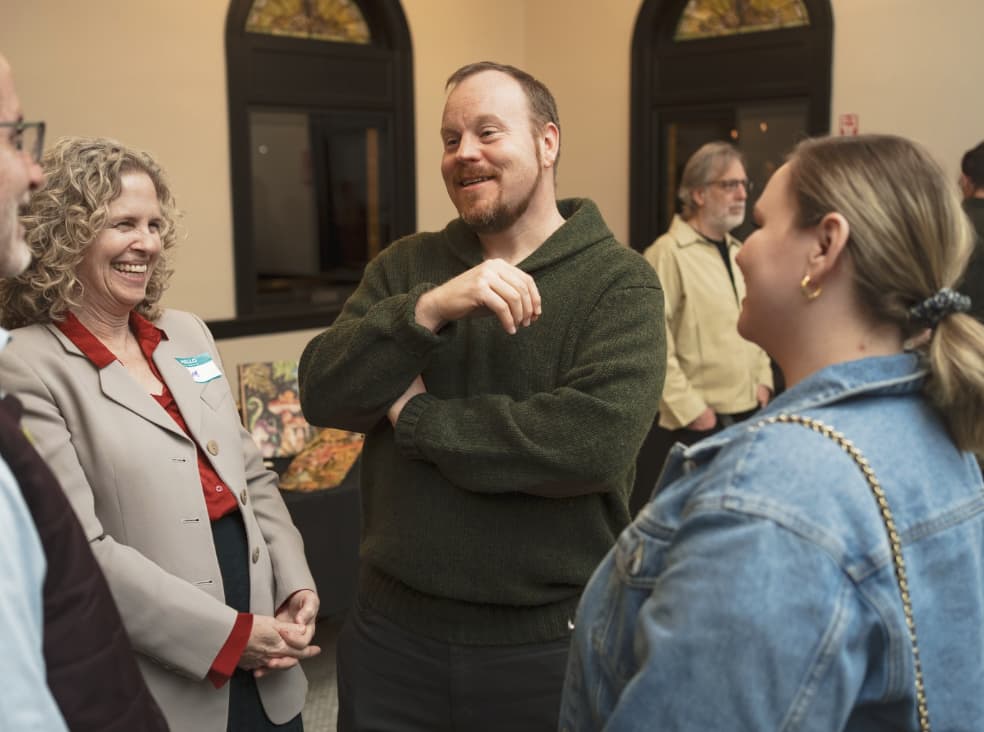
UCSUR produced the analysis and the underlying data upon which the Active Economy Report was constructed. The analysis of and commentary on UCSUR’s findings are a product of co-authors Daniel Rossi-Keen and Scott Wolovich.

Economist Chris Briem’s essay in Part Four of the Active Economy Report was drafted in response to what he found while studying the portfolio, and it is reprinted here with his permission. UCSUR has carefully reviewed the full report as published.

The Active Economy Report has been subject to significant, layered, and diverse review in order to ensure its quality and justifiability. The methods UCSUR employed in its analysis were developed by a team of researchers who have collectively spent decades applying these frameworks to regional questions. The research and calculations at the heart of UCSUR’s findings have been published in full alongside the Active Economy Report. A penultimate draft of the report was circulated by the co-authors to more than fifty reviewers drawn from a range of sectors and disciplines — economists, community development practitioners, funders, planners, and residents of the communities described in these pages. The report was also sent to the boards of both RiverWise and New Sun Rising, and to every project partner whose organization appears in the report, each of whom had the opportunity to verify how the report represented their work. The responses of those many varied reviewers shaped the final form of the document in ways large and small.

How to learn more

The full report, the underlying methodology, and profiles of every project in the portfolio are available at ActiveEconomy.org.

RiverWise — getriverwise.com · [email protected]

Instagram and Facebook @getriverwise · X @GetRiverWise · www.linkedin.com/company/riverwise/

RiverWise maintains a YouTube channel of documentary and community storytelling work, available at youtube.com/@RiverWise.

New Sun Rising — newsunrising.org · [email protected]

Instagram and Facebook @newsunrisingpgh · linkedin.com/company/new-sun-rising

Questions, corrections, and additions are welcome. Reach the report’s authors at: [email protected] or [email protected].

RiverWise

RiverWise

Project Lead

RiverWise is a Beaver County-based nonprofit organization which exists to organize community voice and power so that residents of Beaver County, Pennsylvania can exercise greater agency over the communities they call home. RiverWise accomplishes its mission through: storytelling that disrupts the idea that Beaver County’s best days are behind it; project identification and management that demonstrates what a more organized and visionary future for the region looks like; and the building of partnerships and securing of resources to help residents of the region bring about their future vision for the region.

Though RiverWise is located in and focused primarily in Beaver County, they have become increasingly involved in projects with implications for the greater Pittsburgh region and beyond.
New Sun Rising

New Sun Rising

Project Lead

New Sun Rising is a Pittsburgh-based nonprofit community development organization that envisions a future where all communities are vibrant places of culture, sustainability, and opportunity. They advance this mission by equipping community leaders with the skills, funding, connections, and data to overcome the challenges of our time. Serving as an incubator and management commons for emerging initiatives, the organization provides fiscal sponsorship, technical assistance, and capacity building to strengthen disadvantaged communities throughout Greater Pittsburgh.

New Sun Rising works as an intermediary between grassroots innovation and institutional investors to create better access to funding, build organizational infrastructure, and achieve greater impact.

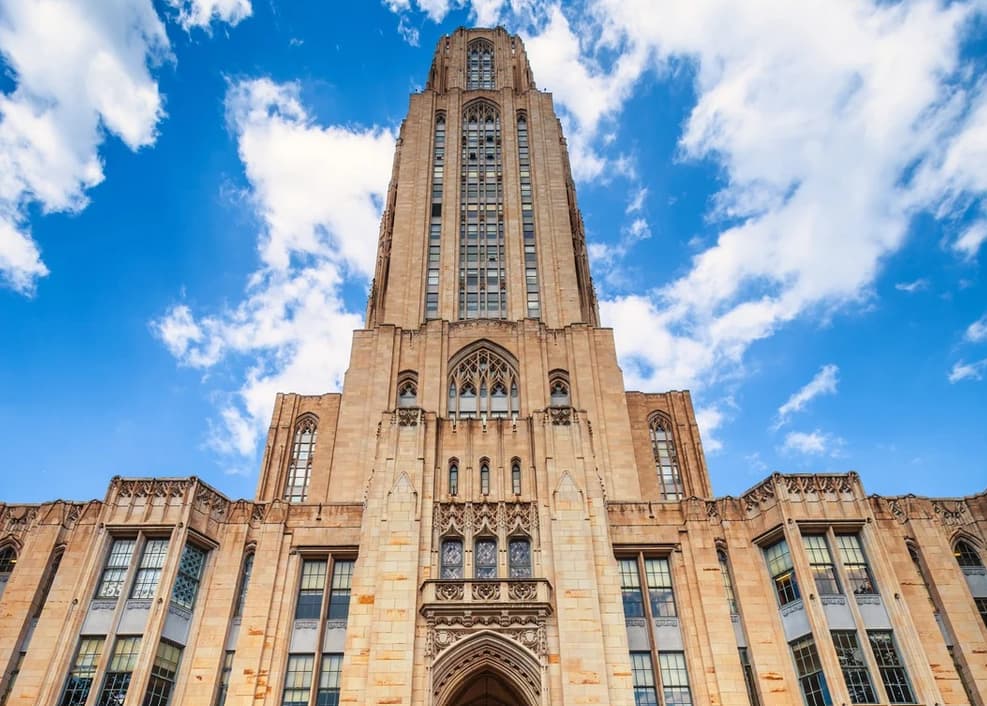
The University Center for Social and Urban Research at the University of Pittsburgh

UCSUR, University of Pittsburgh

Independent Researchers

The University Center for Social and Urban Research (UCSUR) is an interdisciplinary research center at the University of Pittsburgh dedicated to advancing the understanding of social, economic, and urban issues through rigorous applied research and community engagement.

Founded in 1972, UCSUR has served for more than five decades as a hub for faculty, staff, and student researchers engaged in work at the intersection of public policy, data science, demography, and community development. UCSUR serves as a resource not only for the University of Pittsburgh but for government agencies, foundations, and nonprofit organizations seeking credible, evidence-based analysis to support planning, policy, and investment decisions.

Since 1989, UCSUR has maintained a research partnership with REMI Inc. of Amherst, Massachusetts, and operates the REMI Transight regional economic forecasting model for Pennsylvania and surrounding states. This model has been applied extensively to assess the economic impacts of public and private investments across the region, and forms the analytical foundation for the traditional economic impact estimates presented throughout this report.

The Just Transition Fund

Just Transition Fund

Funder

This project was made possible through the generous support of the Just Transition Fund (JTF), who provided funding for this study as part of the Inaugural Coal Communities Get Ready! Challenge. The Get Ready! Challenge was designed by JTF to fund early-stage visionary projects with the potential to generate significant economic impact and produce measurable outcomes in the long-term. Those who are familiar with the work of the Just Transition Fund will undoubtedly recognize similarities between what we are calling the Active Economy and what JTF speaks about broadly as a just transition.

Generating the economic and cultural conditions necessary to create more active economies in coal impacted communities requires thoughtful, strategic, and patient investment of all kinds. For years, the Just Transition Fund has been a national leader in providing a wide range of resources to communities seeking to become more active participants in their community’s economic future.

The projects

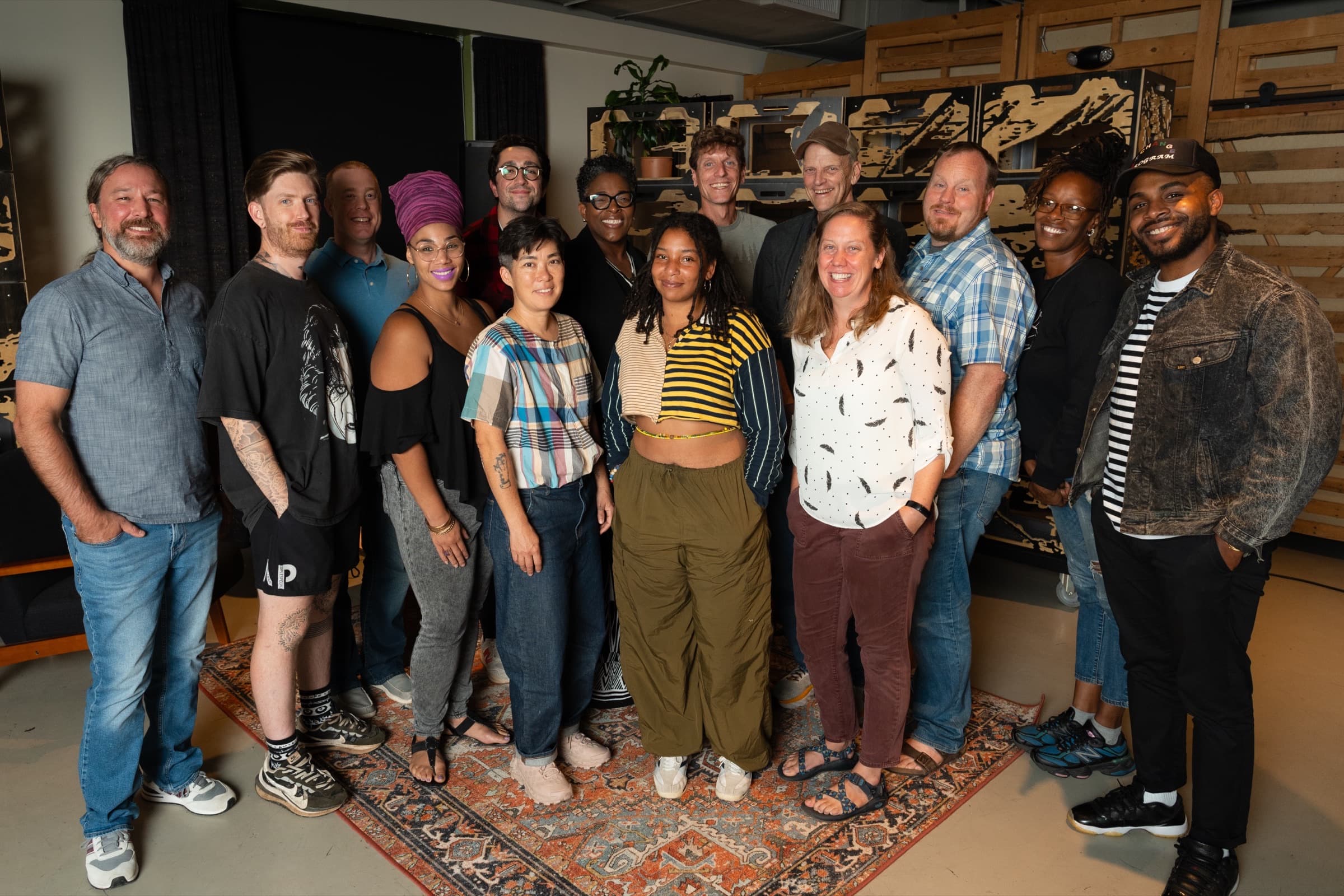
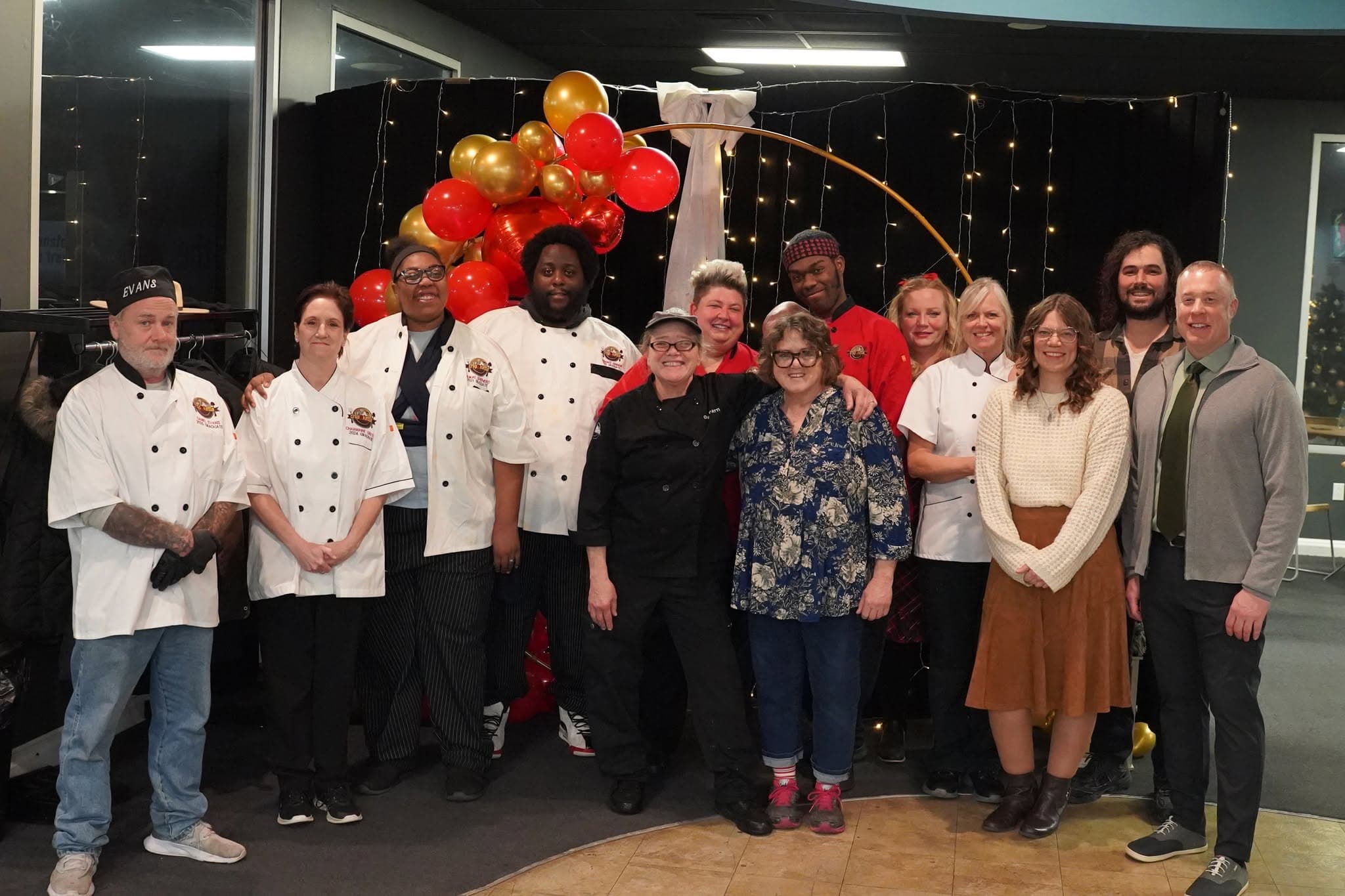
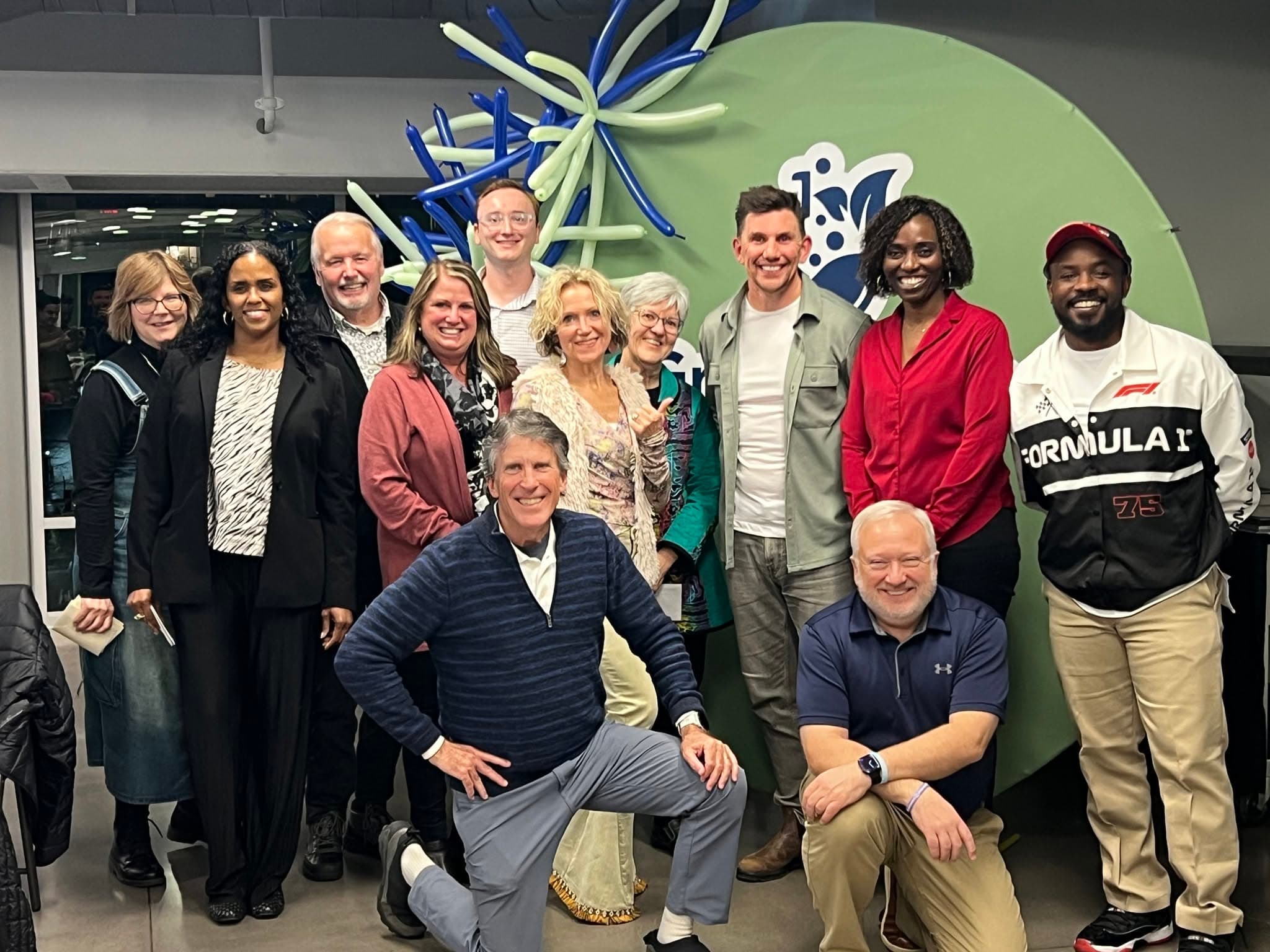
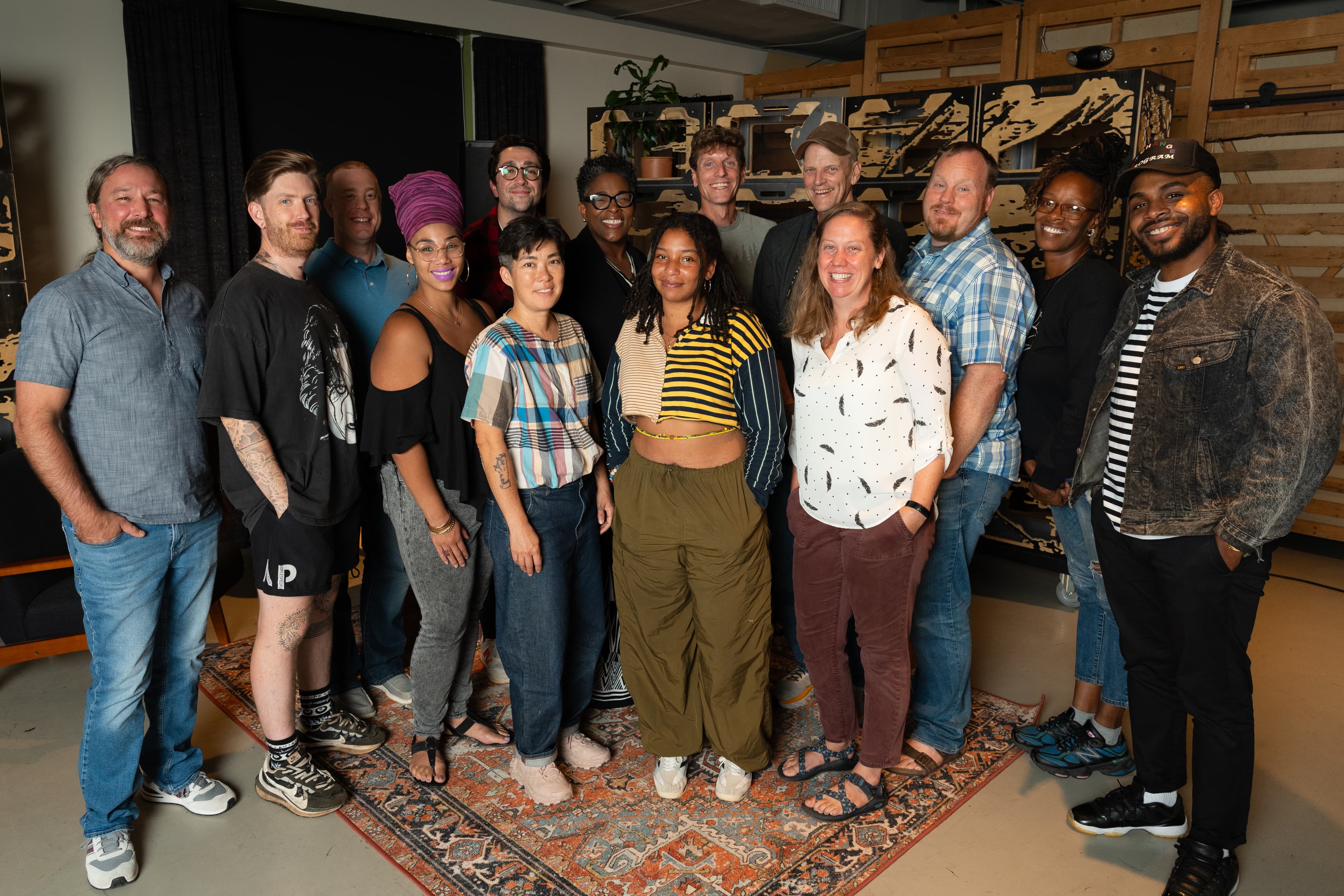
The community partners of the Active Economy Report, photographed together

Community Partners

A research project of this nature would be impossible without comprehensive access to a range of community initiatives. Data provided about the 21 projects included in the Active Economy Report have been utilized in this report with the explicit permission of the project lead for each organization.

The data was provided to researchers at UCSUR between October 2025 and June 2026. Projects and leaders contained in this report include: 216 North Mixed Use Hub (Brian Wolovich); Aliquippa Food Co-op (Ty Patillo); Beaver County Food Hub (Tim Iman); Beltzhoover Institute for Arts and Sciences (Jmar Bey); Communicycle (Lee Montanari); Crop & Kettle (Tim Iman); Energy Efficiency Empowerment (Lucy de Barbaro); Franklin Avenue Park; General Sisters (Ginger Brooks Takahashi); The Genesis Collective (Pamela Rossi-Keen, PhD); Beaver Falls Trail Connector (Wendy Whelpley); The Greenhouse Lab (John Jordan); McKees Rocks Opportunity Campus (Taris Vrcek); Millvale Food + Energy Hub (Scott Wolovich); Neighborhood North: Museum of Play (Christine Kroger); Reforest Our Future (Jeff Karwoski); The RISE Project – Ambridge Borough (Mario Leone); The RISE Project – Beaver Falls (Christine Kroger); The RISE Project – New Brighton School District (Joseph Guarino); RiverWise (Daniel Rossi-Keen, PhD); Urban Homestead (Baron Batch).

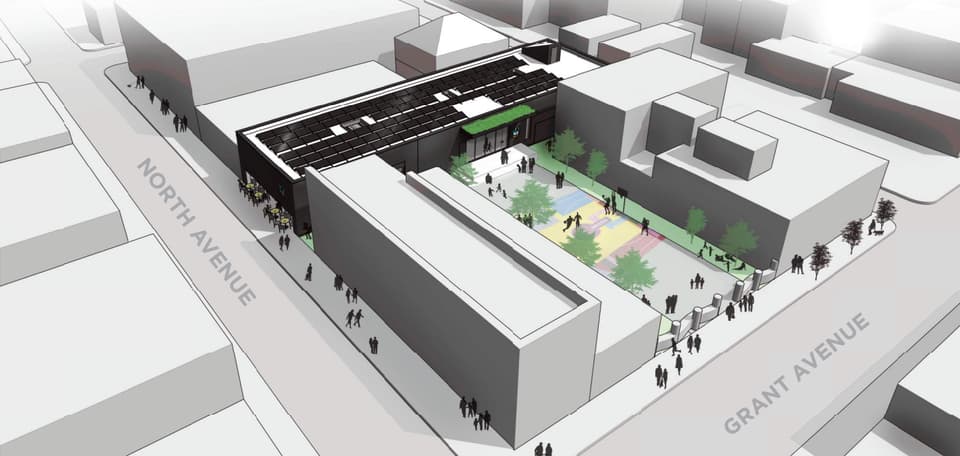
216 North Mixed Use Hub

216 North Mixed Use Hub

A mixed-use redevelopment project in Millvale, restoring an anchor building to strengthen the town's business district and civic life.

To see full project impact, please see page 26 of the UCSUR report.

ContactBrian WolovichWebsitemillvalecdc.org ↗LocationMillvale
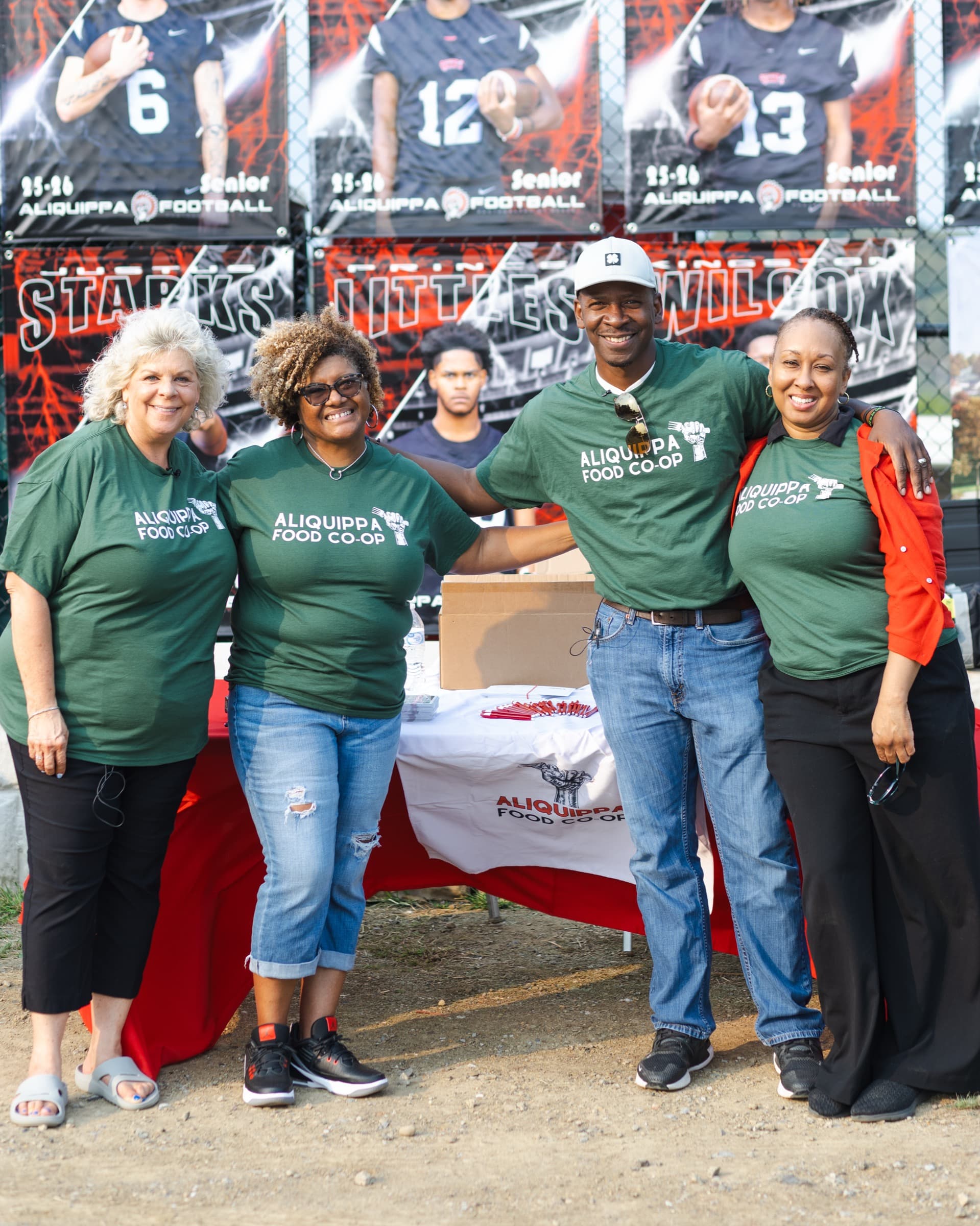
Aliquippa Food Co-op

Aliquippa Food Co-op

A community-owned grocery store in Aliquippa, restoring residents' access to fresh food and building economic power for member-owners.

To see full project impact, please see page 35 of the UCSUR report.

ContactTy PatilloWebsitealiquippafoodcoop.wordpress.com ↗LocationAliquippa
Beaver County Food Hub

Beaver County Food Hub

A regional food facility in Ambridge, growing the local food economy through training, business incubation, and fresh food access.

To see full project impact, please see page 40 of the UCSUR report.

ContactTim ImanWebsitebeavercountyfoodhub.com ↗LocationAmbridge
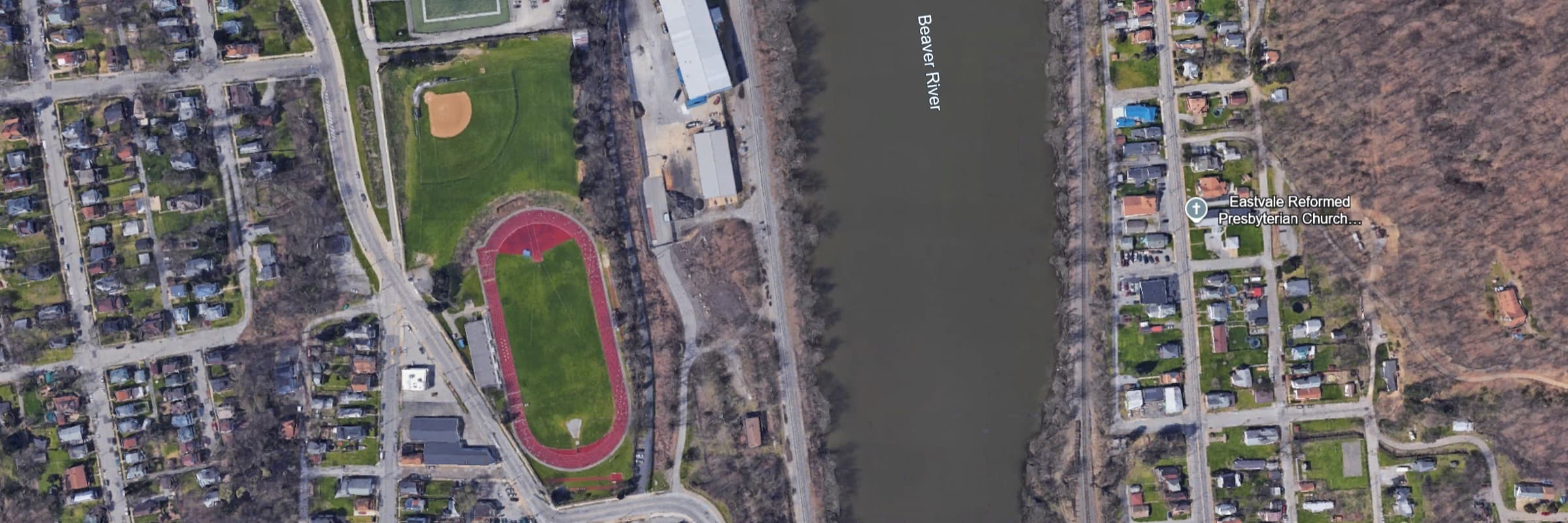
Beaver Falls Trail Connector

Beaver Falls Trail Connector

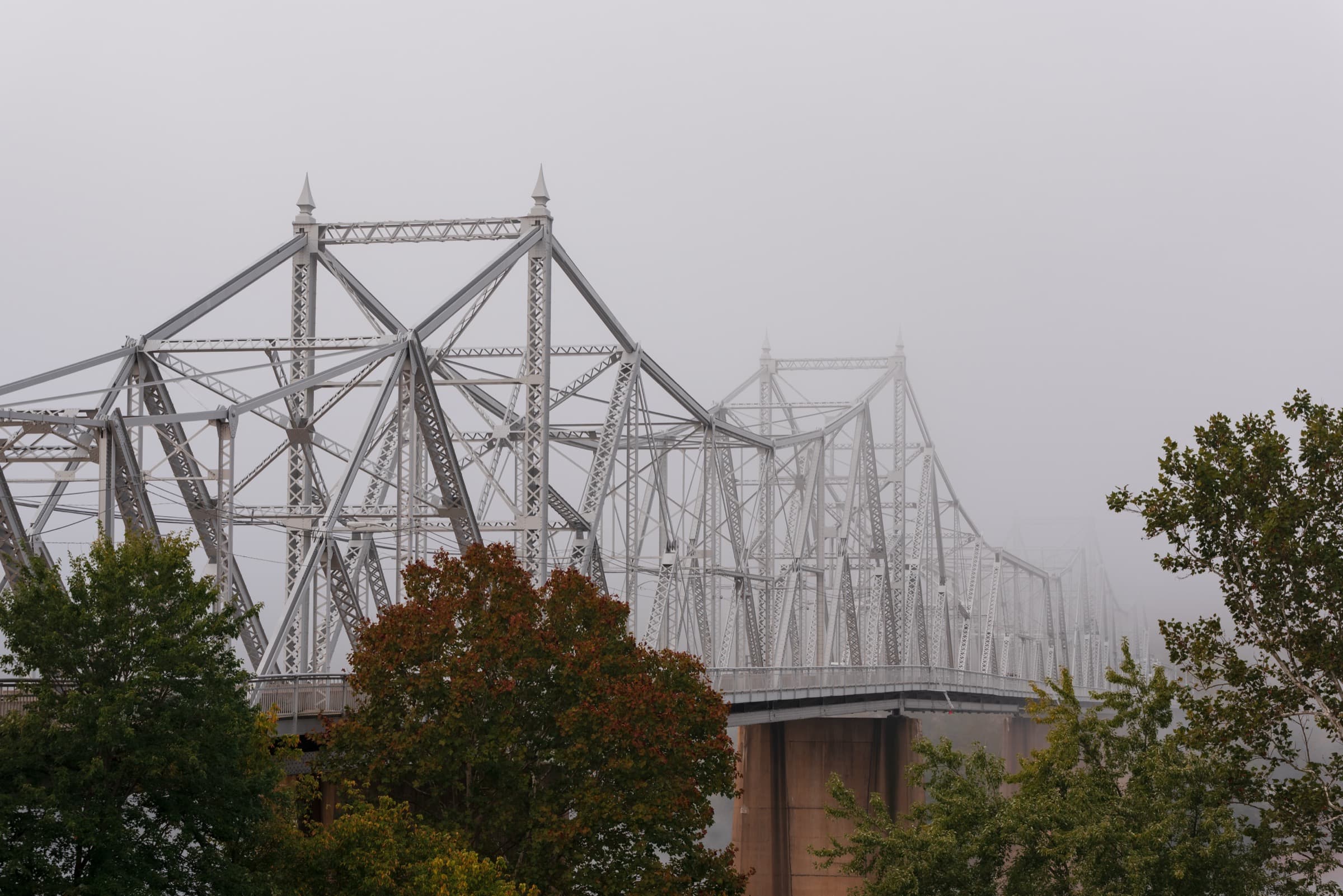
A multi-use trail project in Beaver Falls, connecting the campus of Geneva College to the downtown business district and river trail.

To see full project impact, please see page 49 of the UCSUR report.

ContactWendy WhelpleyWebsitebeaverfallscdc.org ↗LocationBeaver Falls
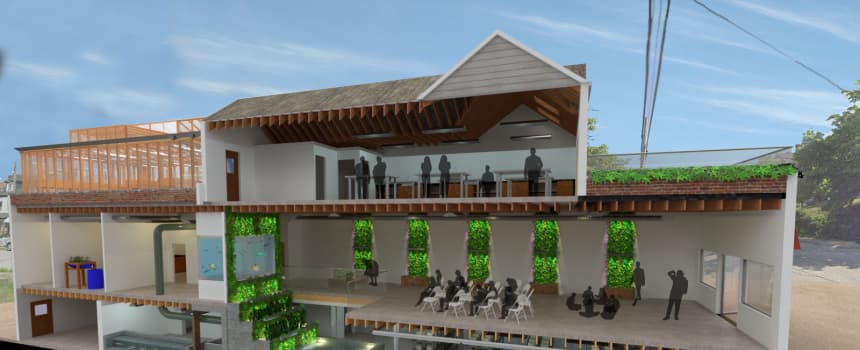
Beltzhoover Institute for Arts and Sciences

Beltzhoover Institute for Arts and Sciences

A community learning center in Beltzhoover, activating a neighborhood with aquaponics, creative practice, and environmental education.

To see full project impact, please see page 56 of the UCSUR report.

ContactJmar BeyWebsitenewsunrising.org ↗LocationBeltzhoover, Pittsburgh
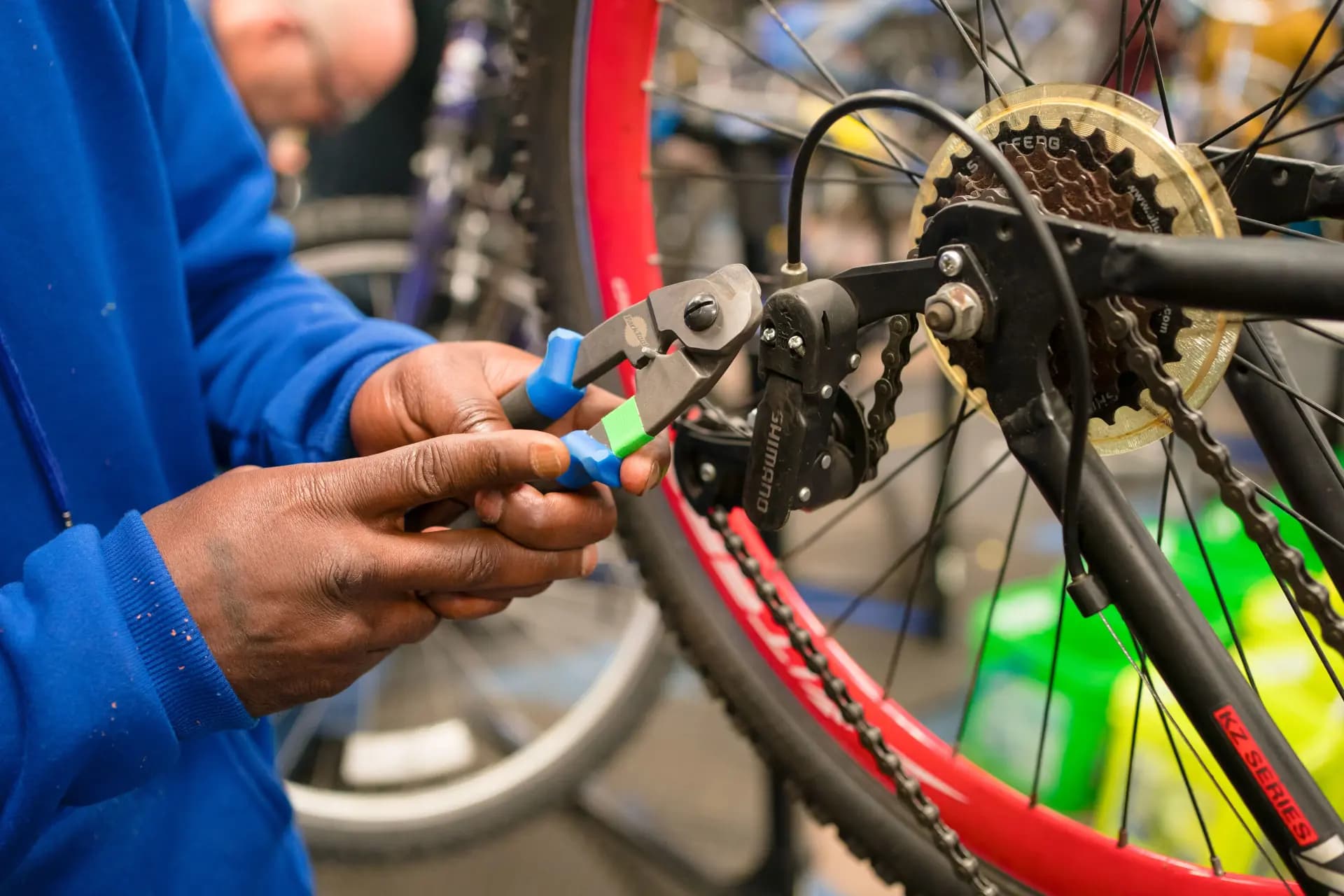
Communicycle

Communicycle

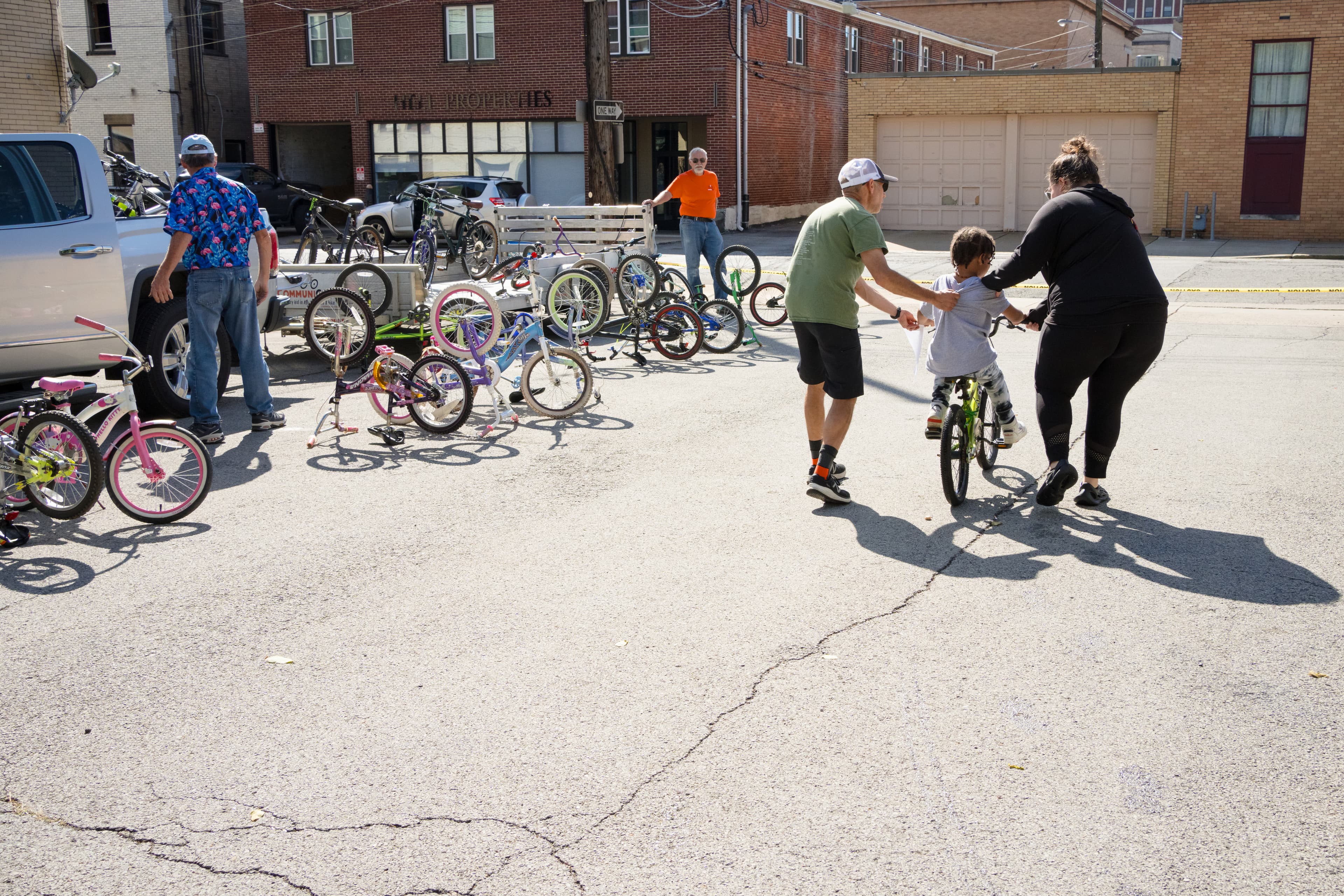
A volunteer-powered bicycle program in Beaver County, putting refurbished bikes and safety gear into the hands of riders of all ages.

To see full project impact, please see page 65 of the UCSUR report.

ContactLee MontanariWebsitecommunicycle.org ↗LocationBeaver County
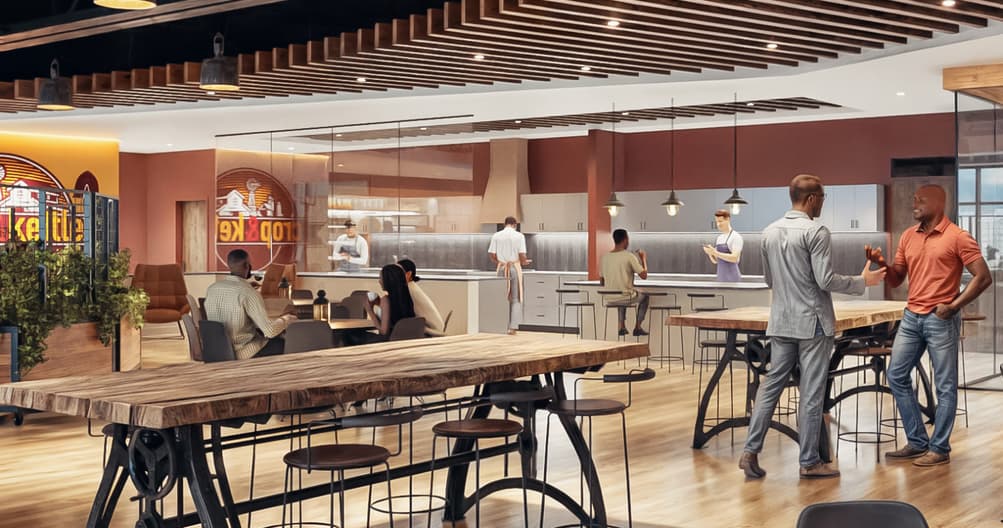
Crop & Kettle

Crop & Kettle

A nonprofit workforce training enterprise in Beaver County, preparing residents for lasting careers in all aspects of the food system.

To see full project impact, please see page 73 of the UCSUR report.

ContactTim ImanWebsitecropandkettle.org ↗LocationBeaver County
Energy Efficiency Empowerment

Energy Efficiency Empowerment

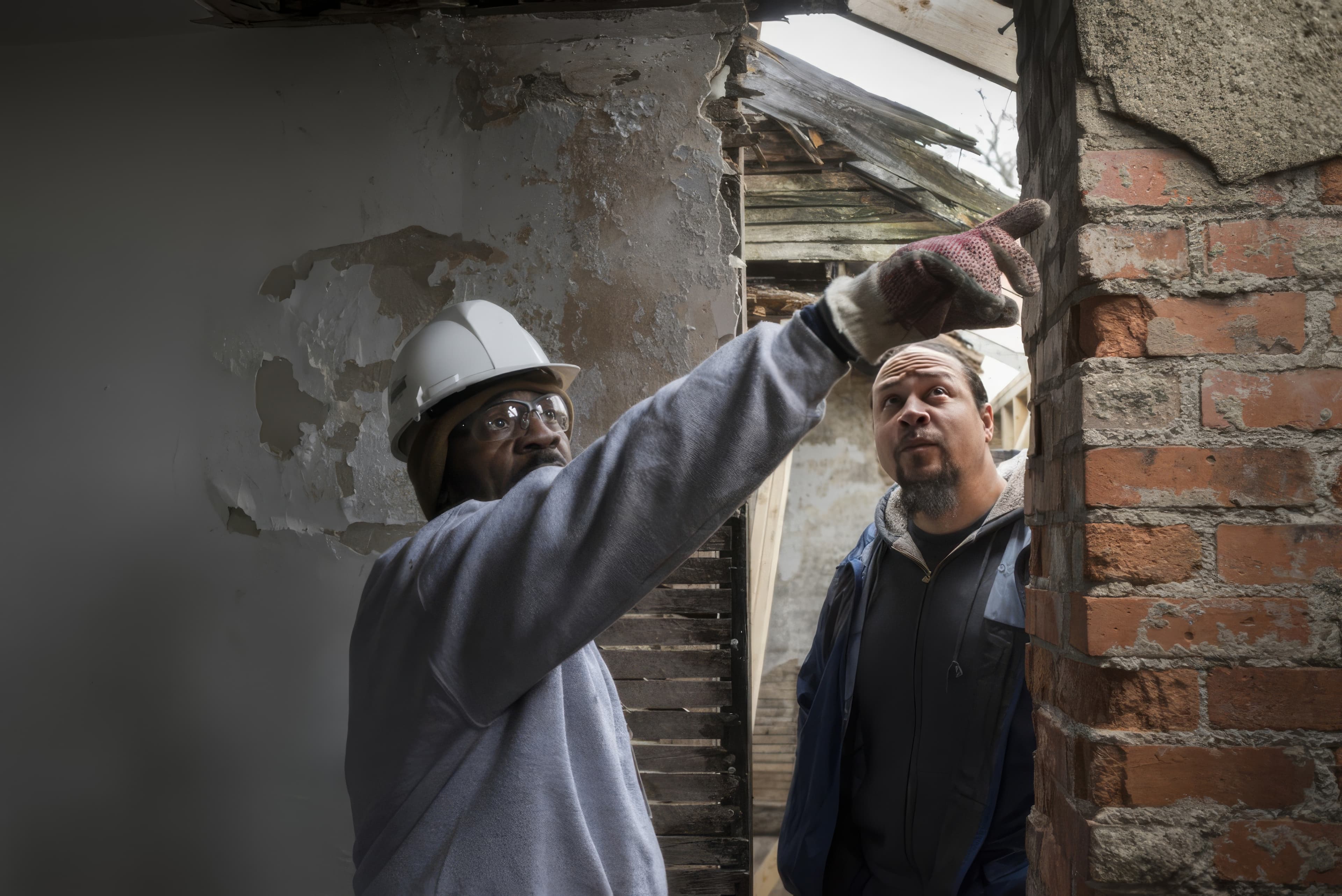
An energy consulting project in Allegheny County, helping developers and contractors deliver affordable, efficient, sustainable homes.

To see full project impact, please see page 78 of the UCSUR report.

ContactLucy de BarbaroWebsiteeeepgh.org ↗LocationAllegheny County
Franklin Avenue Park

Franklin Avenue Park

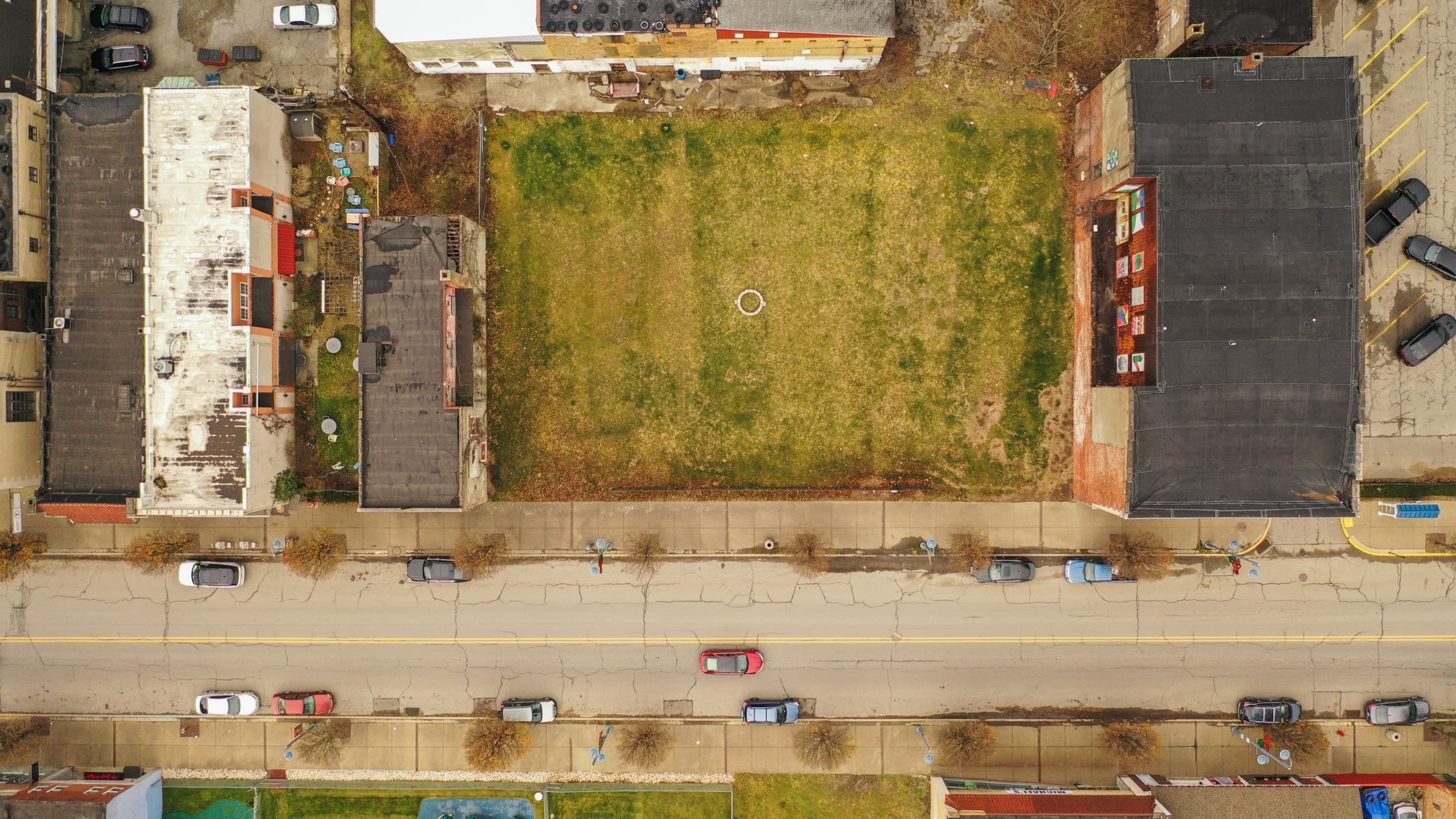
A public green space initiative in Aliquippa, transforming vacant parcels into a community gathering place on a historic main street.

To see full project impact, please see page 84 of the UCSUR report.

LocationAliquippa
General Sisters

General Sisters

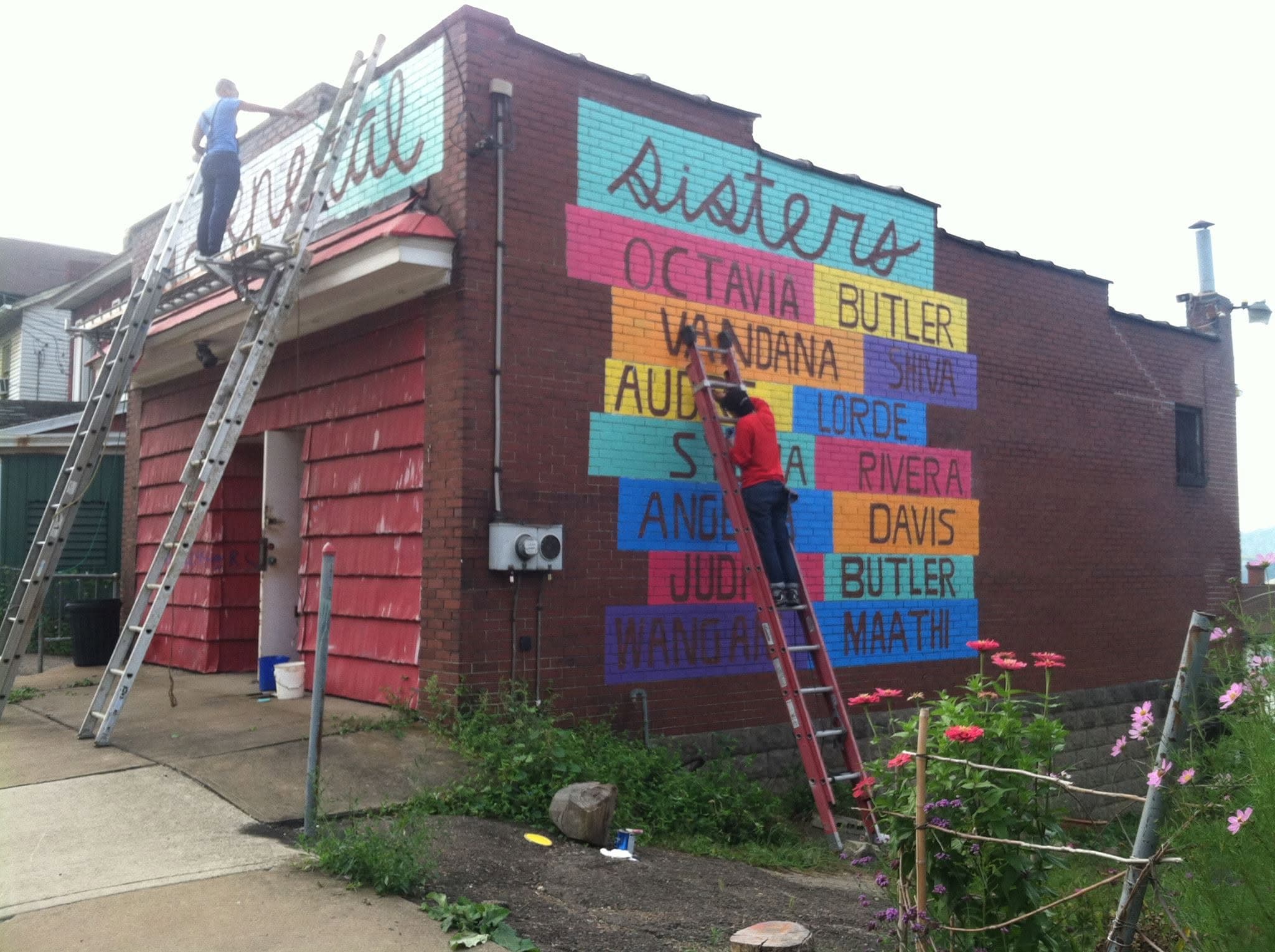
An arts and environmental collective in North Braddock, turning a long-vacant neighborhood corner into a center for community life.

To see full project impact, please see page 90 of the UCSUR report.

ContactGinger Brooks TakahashiWebsitefacebook.com ↗LocationNorth Braddock
The Genesis Collective

The Genesis Collective

A creative nonprofit in Beaver County, building a regional economy by cultivating arts entrepreneurs, arts education, and public art.

To see full project impact, please see page 97 of the UCSUR report.

ContactPamela Rossi-Keen, PhDWebsitegcollective.org ↗LocationBeaver County
The Greenhouse Lab

The Greenhouse Lab

A social impact incubator in Aliquippa, strengthening entrepreneurs and nonprofits with coaching, training, and shared working space.

To see full project impact, please see page 106 of the UCSUR report.

ContactJohn JordanWebsitegreenhouselab.org ↗LocationAliquippa
McKees Rocks Opportunity Campus

McKees Rocks Opportunity Campus

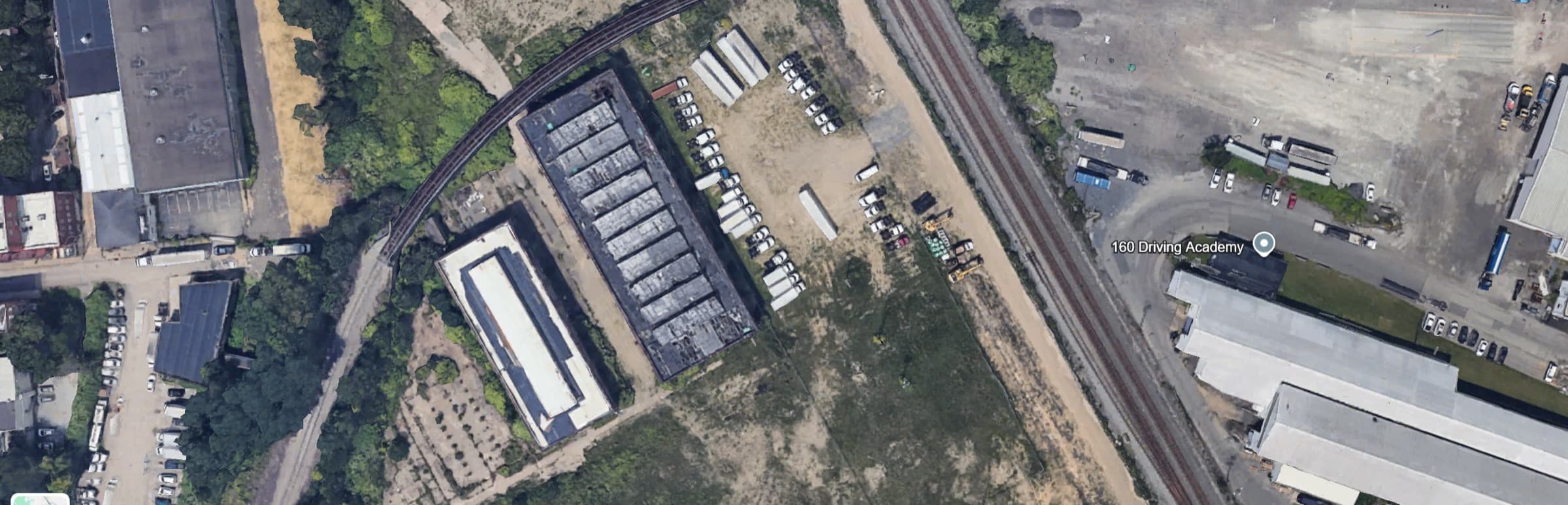
A brownfield redevelopment in McKees Rocks, bringing a historic rail yard back into productive use as a hub for workforce development.

To see full project impact, please see page 112 of the UCSUR report.

ContactTaris VrcekWebsitemckeesrocks.org ↗LocationMcKees Rocks
Millvale Food + Energy Hub

Millvale Food + Energy Hub

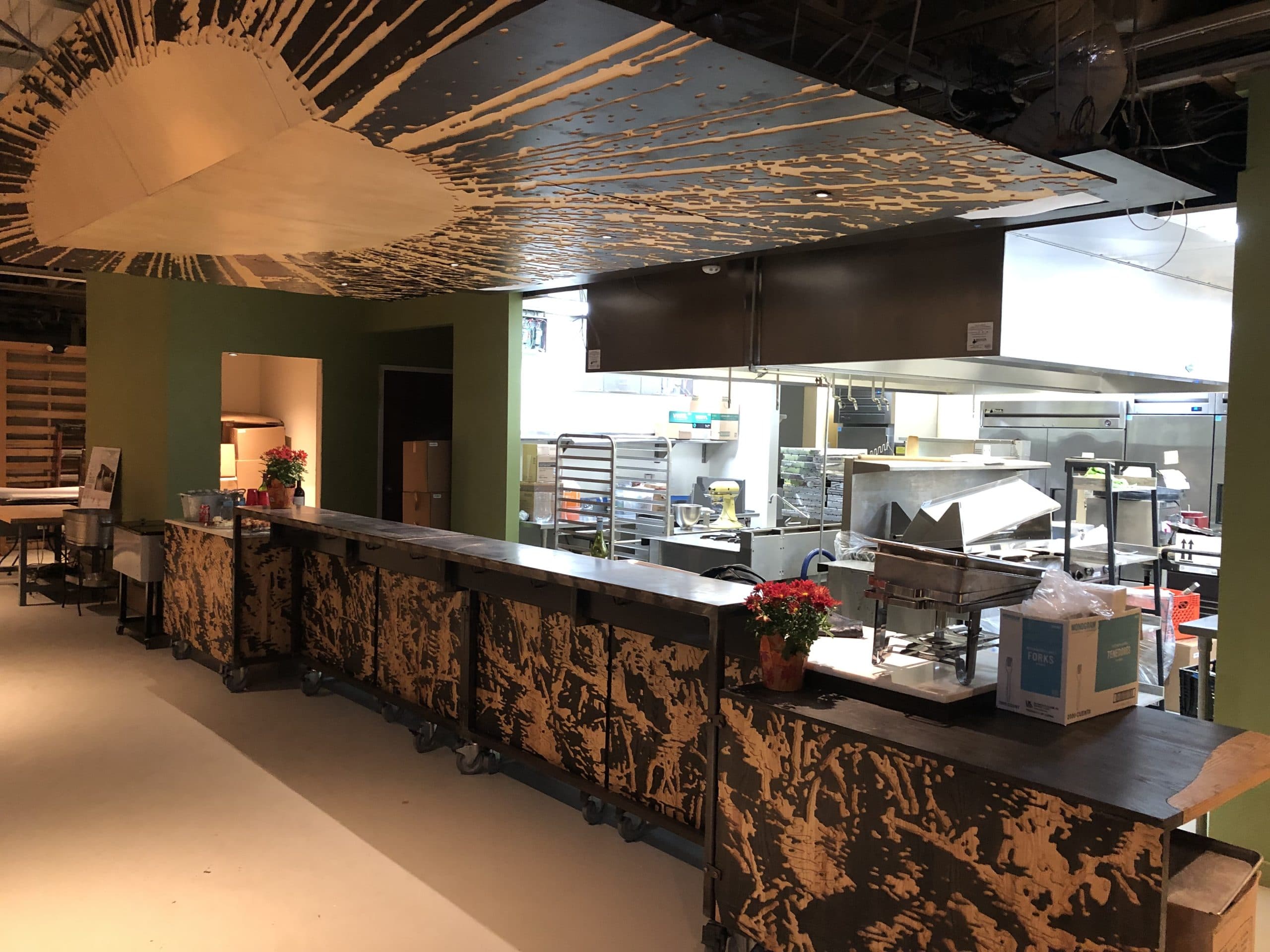
A Millvale community hub, anchoring food programs, energy resilience, and small business via adaptive reuse of a neighborhood landmark.

To see full project impact, please see page 120 of the UCSUR report.

ContactScott WolovichWebsitenewsunrising.org ↗LocationMillvale
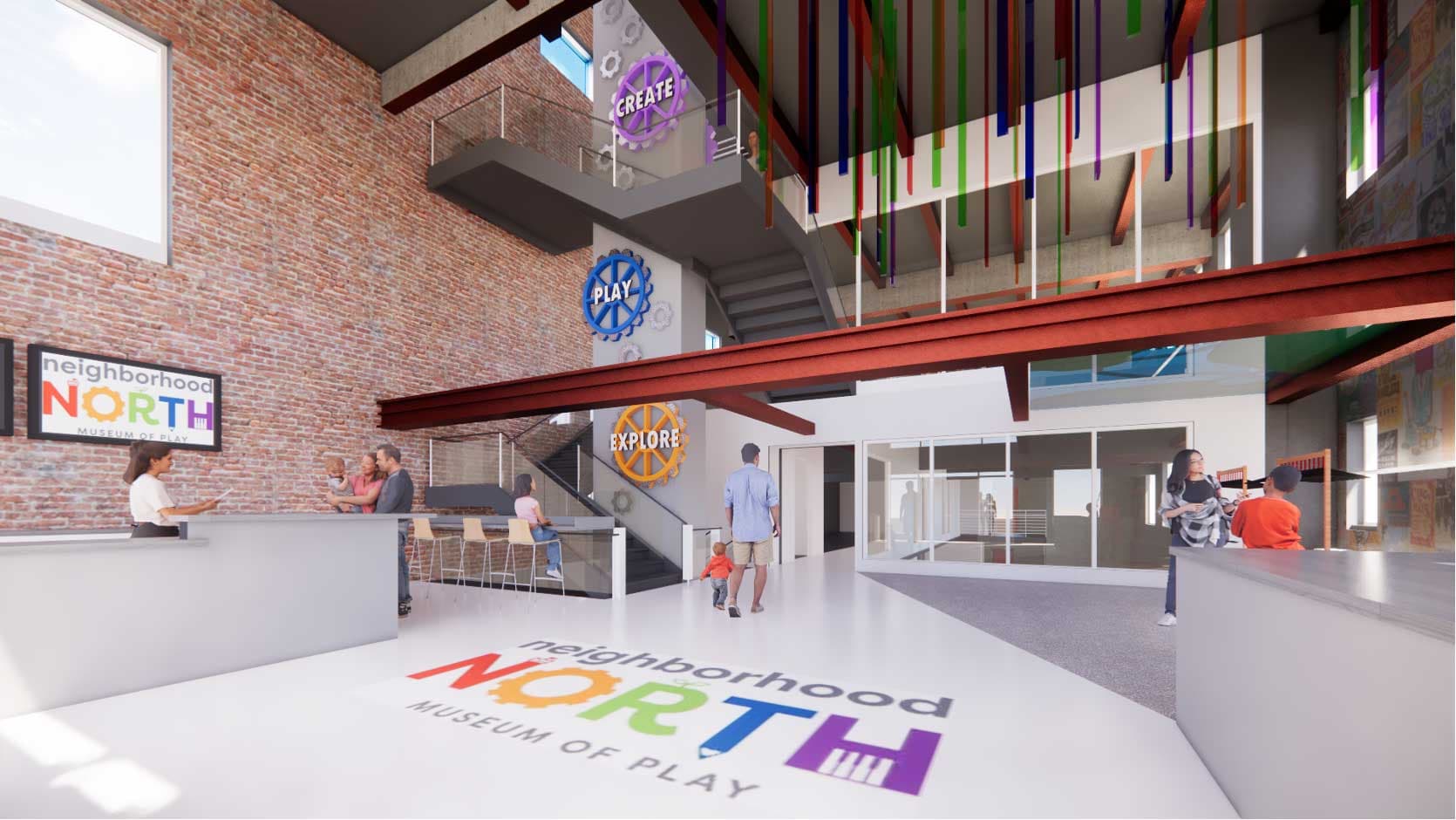
Neighborhood North: Museum of Play

Neighborhood North: Museum of Play

A children's museum in Beaver Falls, advancing play-based learning, youth development, and cultural activity in the heart of downtown.

To see full project impact, please see page 130 of the UCSUR report.

ContactChristine KrogerWebsiteneighborhoodnorth.org ↗LocationBeaver Falls
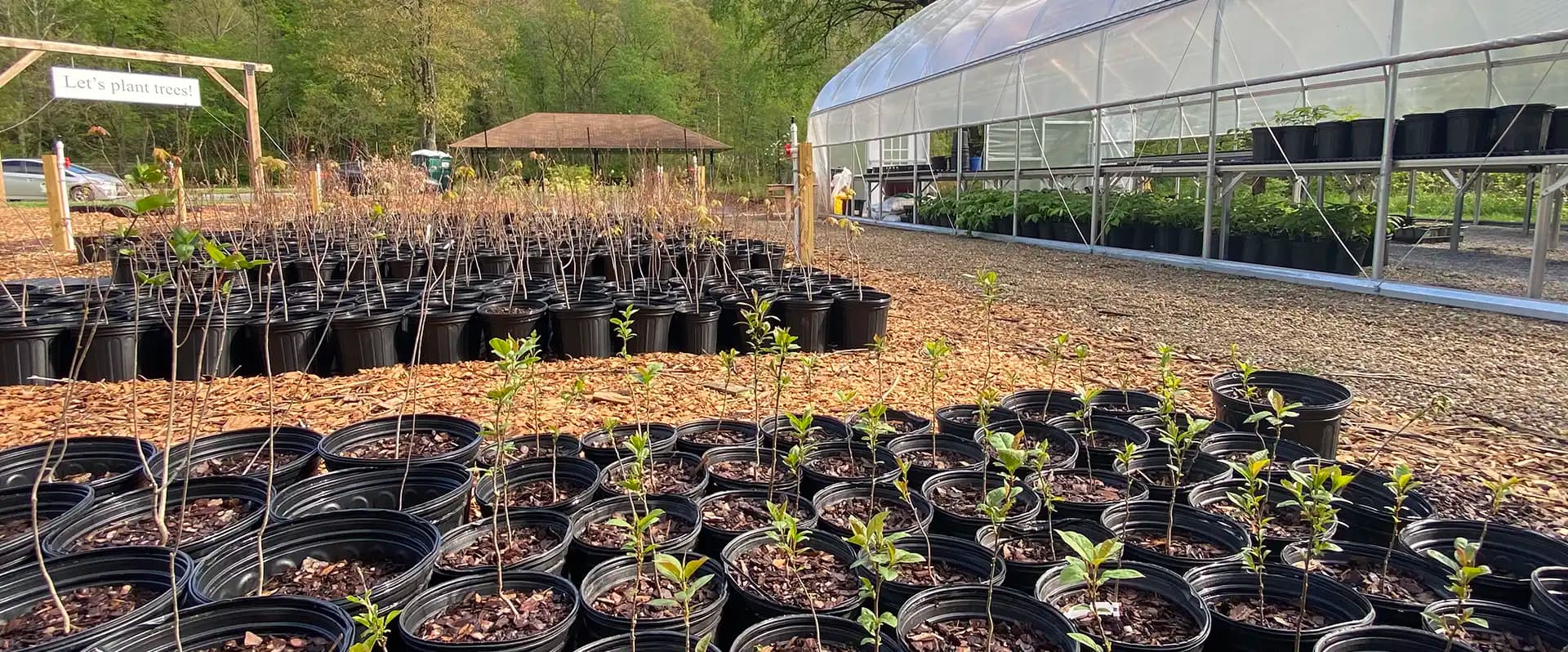
Reforest Our Future

Reforest Our Future

A reforestation initiative in Beaver County, restoring native landscapes and deepening the community's connection to the environment.

To see full project impact, please see page 142 of the UCSUR report.

ContactJeff KarwoskiWebsitereforestourfuture.org ↗LocationBeaver County
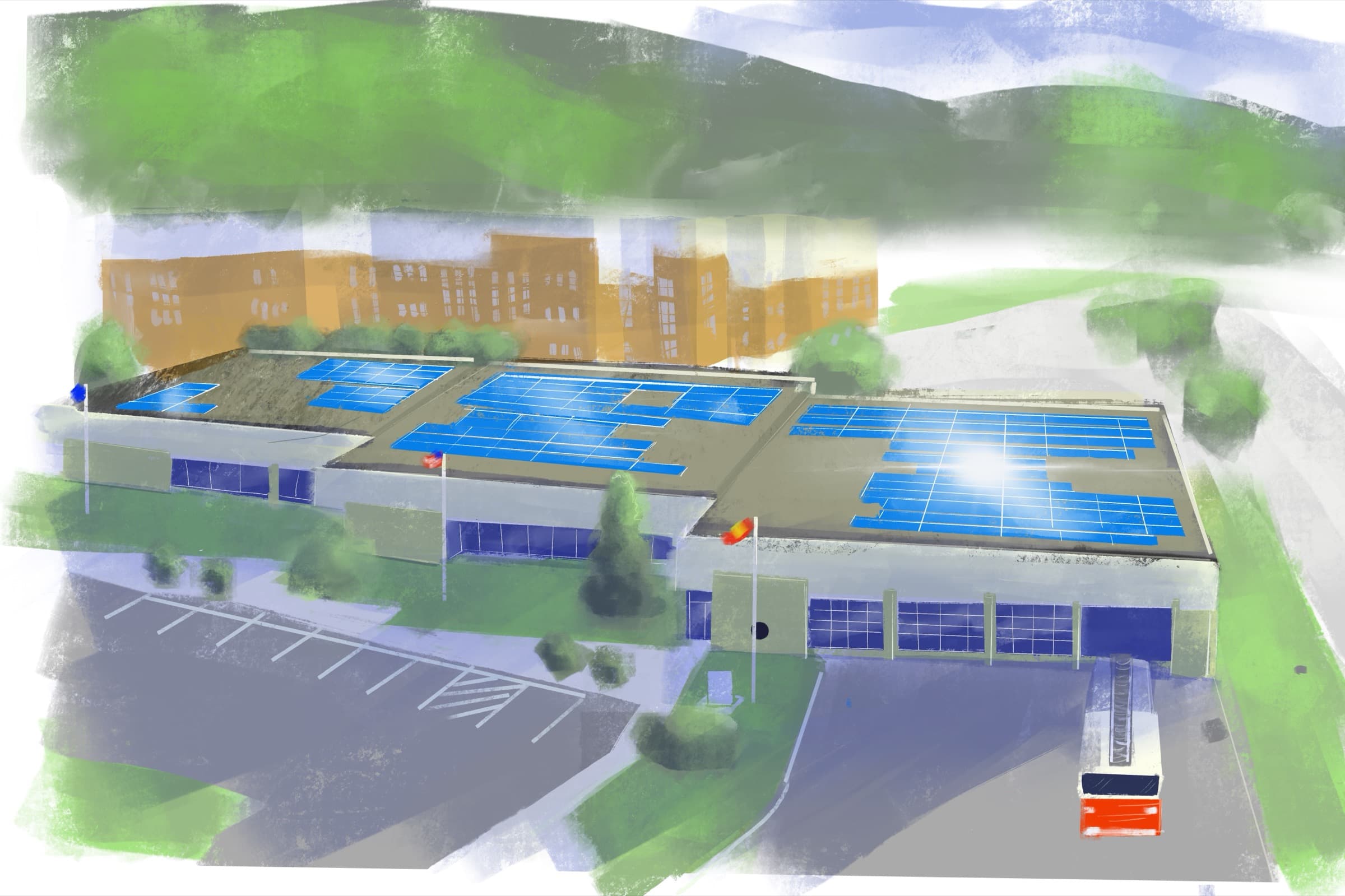
The RISE Project (Ambridge Borough)

The RISE Project (Ambridge Borough)

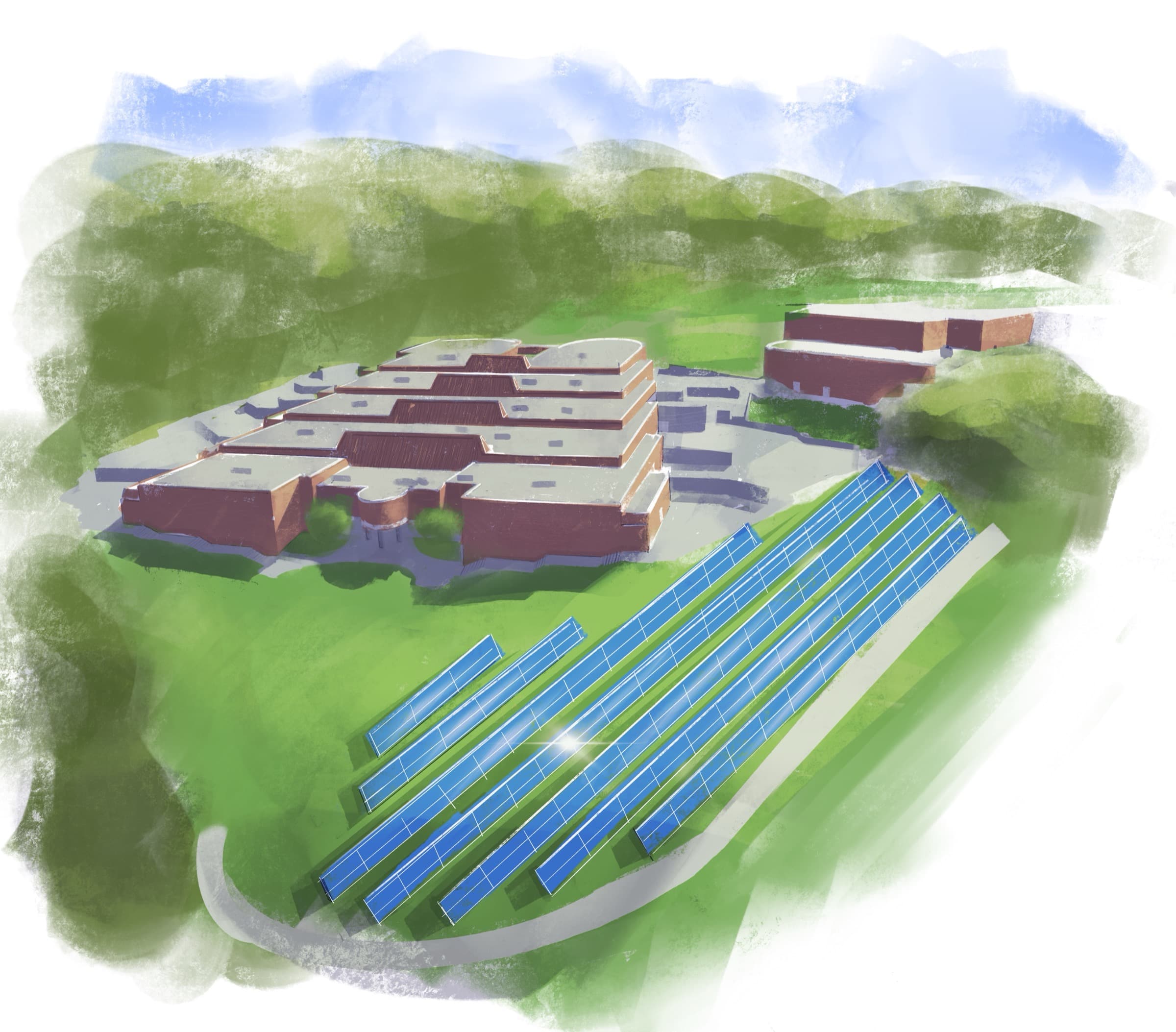
A community solar project located at the Ambridge municipal complex, advancing clean energy and long-term savings for local government.

To see full project impact, please see page 147 of the UCSUR report.

ContactMario LeoneVideoyoutube.com ↗LocationAmbridge
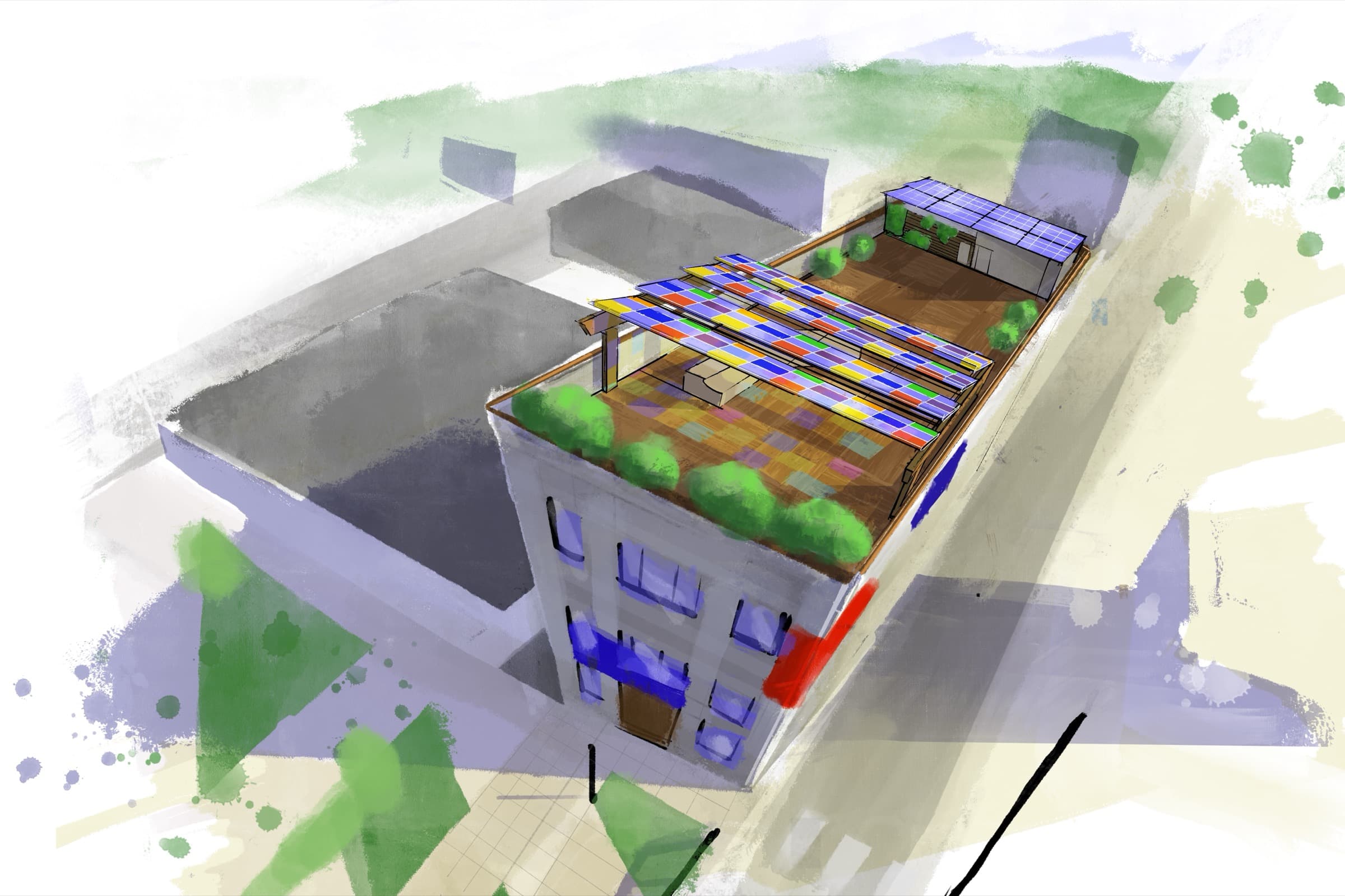
The RISE Project (Neighborhood North: Museum of Play)

The RISE Project (Neighborhood North: Museum of Play)

A solar initiative of a children's museum in Beaver Falls, advancing understanding, awareness, and imagination about clean energy.

To see full project impact, please see page 151 of the UCSUR report.

ContactChristine KrogerVideoyoutube.com ↗LocationBeaver Falls
The RISE Project (New Brighton High School)

The RISE Project (New Brighton High School)

A community solar project in New Brighton, advancing clean energy and reducing utility costs across a public high school campus.

To see full project impact, please see page 155 of the UCSUR report.

ContactJoseph GuarinoVideoyoutube.com ↗LocationNew Brighton
RiverWise Storytelling

RiverWise Storytelling

Community-informed storytelling that motivates regional revitalization by increasing resident awareness, agency, and imagination.

To see full project impact, please see page 159 of the UCSUR report.

ContactDaniel Rossi-Keen, PhDWebsitegetriverwise.com ↗LocationBeaver County
Urban Homestead

Urban Homestead

A maker and light manufacturing hub in Allentown, providing tools and neighborhood convening space to stimulate the creative economy.

To see full project impact, please see page 166 of the UCSUR report.

ContactBaron BatchLocationAllentown, Pittsburgh

With thanks

District PGH network: Christine Mondor (evolveEA), Anna Rosenblum (evolveEA), Jenna Cramer (Green Building Alliance), Chris Cieslak (Green Building Alliance), Rebecca Bykoski (Sustainable Pittsburgh), Joylette Portlock (Sustainable Pittsburgh), Megan Ziegler (CoHub, formerly the SWPA Municipal Hub), Eric Macadangdang (CoHub), Sarah Evi (CoHub), Rebecca Kiernan (The Congress of Neighboring Communities: CONNECT) · technical assistance partners where the Active Economy’s foundational concepts first emerged.

Early research & framing: Lily Neilsen (fellowship at Carnegie Mellon University), Lydia Aceto (New Sun Rising Sustainability AmeriCorps VISTA) · work that helped shape the cluster framework presented here.

Framework development: Tyler Schaub (New Sun Rising & RiverWise) · a careful and insightful thought partner as the Active Economy framework was developed.

Report planning: Bethany Williams (Pennsylvania Department of Community and Economic Development), Pamela Rossi-Keen, PhD (The Genesis Collective), Rohit Acharya (Common Good Labs), Will Bernstein (evolveEA), Dani Brown (RiverWise), Alyse Horn (New Sun Rising) · incisive strategic guidance as part of the report planning process.

Strategic communication: Allison Ehrich Bernstein (Allative Communications) · helping spread the message of the Active Economy far and wide.

Site design & development: Owen Rossi-Keen (iliad.dev) · this website.